
In the frame of UJA Global Advisory’s continuous efforts to help french companies willing to enter the Indian market, these two testimonials of two of our clients aims to provide practical insights into key aspects of doing business in India.

Director, JSTI Transformers Pvt. Ltd.
Sustainable market penetration ultimately hinges on three core pillars: Admirability through uncompromising quality, Availability via a robust local footprint, and Affordability tailored to market demands.
Entering the Indian market requires substantial persistence and a long-term strategic horizon. While there is no universal rulebook, timelines vary significantly based on your business portfolio and product offerings. India’s rapid economic growth offers immense potential, but success relies heavily on your adaptability to the local business ecosystem. Navigating this landscape demands deep patience, as customers expect world-class engineering backed by highly competitive pricing. Sustainable market penetration ultimately hinges on three core pillars: Admirability through uncompromising quality, Availability via a robust local footprint, and Affordability tailored to market demands.
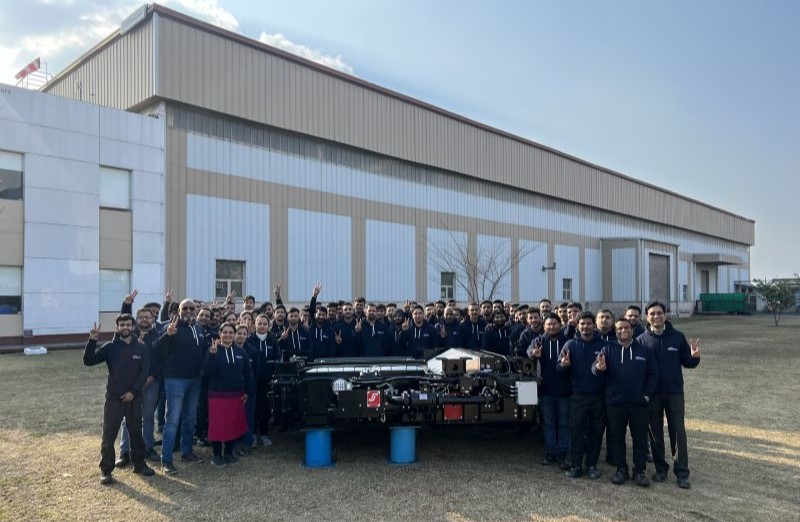
Initial capital requirements vary widely depending on the chosen business model, operational scale, and portfolio scope. Because entry strategies range from asset-light distribution models to wholly owned manufacturing setups, there is no fixed financial blueprint. New entrants should conduct a thorough feasibility study to define a three-year runway that accounts for market entry costs, regulatory filings, talent acquisition, and working capital needs sufficient to sustain operations until the business achieves self-sufficiency.
Rigorous adherence to regulatory frameworks is non-negotiable from day one. Never compromise on statutory compliances under Indian law—encompassing the Companies Act, ROC filings, Factories Act, labor codes, and complex tax structures. Establishing a transparent legal foundation prevents future operational hurdles and safeguards corporate reputation. Partnering with a reputable compliance and advisory firm, such as UJA, is invaluable for navigating these statutory requirements smoothly. Finally, keep the foundational framework of the Three A’s (Admirability, Availability, and Affordability) at the core of your operational strategy.
Our operations have not experienced significant payment disputes or major financial friction with clients. While minor commercial discussions are a natural part of any dynamic business environment, our collaborative client relationships and proactive account management have consistently prevented escalations. We extend our sincere gratitude to our clients for their continued trust and strong partnership, which underscores the mutual respect foundational to our business model.
A prime example is our localization of material procurement for traction transformers, successfully pushing a large majority of local sourcing for the prestigious Vande Bharat train project. Having delivered over 400 specialized transformers with this initiative—and extending similar high-localization standards to upcoming high-speed rail developments like India’s bullet train project—we have deeply aligned our operations with the ‘Make in India’ vision. This strategic supply chain shift not only optimized manufacturing costs and delivery timelines but also significantly accelerated sales growth by directly meeting national infrastructure priorities.
Medha Servo Drives stands out as a pivotal partner who placed initial trust in our capabilities during our debut in the Indian market. Following a highly competitive evaluation process, we successfully secured their confidence through robust engineering expertise and seamless technical backing from our parent company, JST France. This foundational collaboration has evolved into a enduring, long-term relationship centered on the continuous manufacture and supply of advanced traction transformers for demanding rail applications.
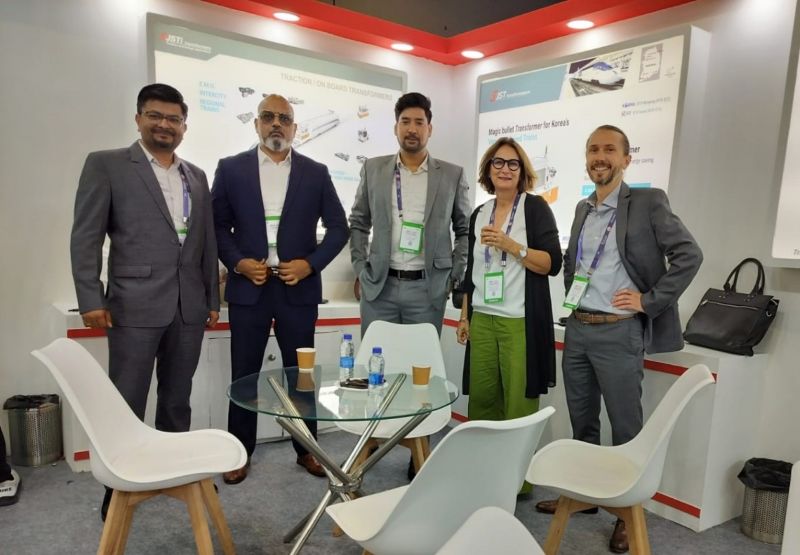
Customer is ready to pay premium if we are ready to give timely service.
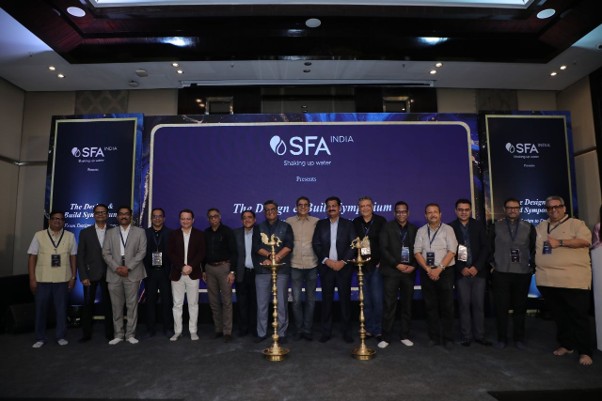
My advice would be to conduct thorough market research before entering India. It is particularly important to understand Indian customer behaviour, preferences, and expectations. India is a large and diverse market, so selecting the right region or state for your business is equally important. A well-researched market-entry strategy can significantly improve the chances of success.
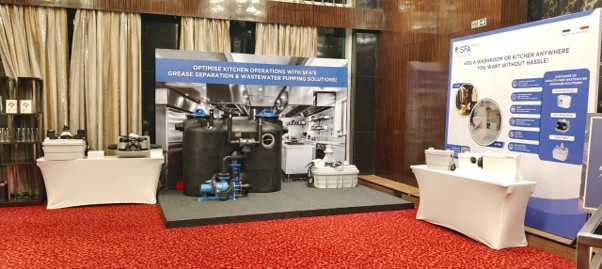
One of our longest-term client is “We work”. At the beginning, they were hesitating in doing business with us, not because of the price but the product service. But, we finalised 2 sites of “we work” and they got comfortable with SFA. So, customer is ready to pay premium if we are ready to give timely service.
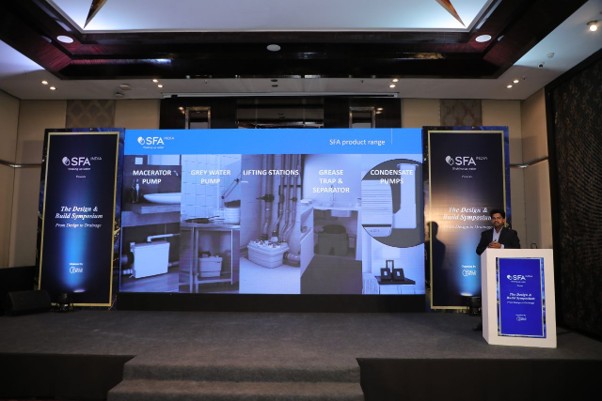
We did not face any major issues regarding withholding tax, particularly since a Double Taxation Avoidance Agreement (DTAA) already exists between India and France. However, there are certain documentation and compliance requirements that need to be completed to avail the applicable treaty benefits. Therefore, it is important to ensure that the required documentation is in place before making payments.
Indirect taxes are an important consideration for both goods and services. While eligible input tax credits may generally be available, it is important to understand the applicable tax rates and requirements before implementing the business model. The applicable tax rate can have a direct impact on pricing and overall commercial decisions, so this should be evaluated at the planning stage itself.
In India, a combination of formal communication and relationship-building generally works well. Professional and structured communication is important, but developing strong personal and business relationships can also play a significant role in building trust and facilitating smoother business interactions.
Daily, the written communication is recommended, and each matter should be documented. As an example, one project got finalised 55% discount against normal discount of 50% and in this case, discussion remain verbal instead of putting on email and at the time of asking payment customer denied to pay the amount hence everything must be in writing.
Conducting thorough research and planning before starting the work saved the most time. Understanding the market, regulatory environment, customer expectations, and operational requirements in advance helps avoid unnecessary delays and allows for more informed decision-making.
For more information on this portrait or on UJA contact olivia@uja.in